Realty Executives Midwest
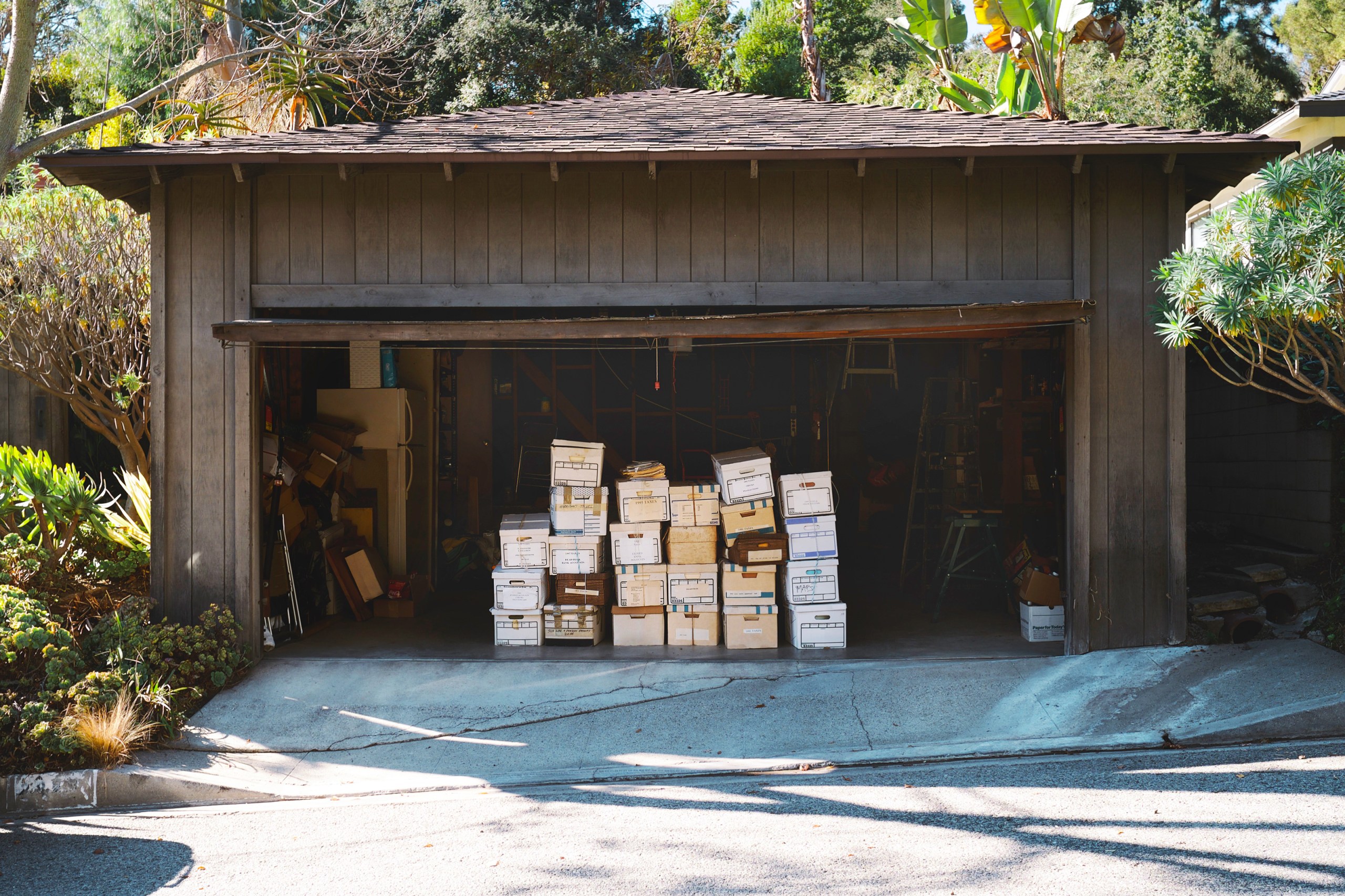
For most tax deductions, you need to keep receipts and documents for at least 3 years.
Unless you live in a Hollywood Hills mansion, you probably don't have space to store years of tax and insurance paperwork, warranties, and repair receipts related to your home.
But you need that paperwork if you need to prove you deserve the tax deductions you took, to file an insurance claim, or to figure out if your busted oven is still under warranty.
To help you organize your piles of papers, we've created a handy checklist of how long to keep tax records.
First, a little background on IRS rules, which informed some of our charts:
| HOME SALE RECORDS | |
| Document | How Long to Keep It |
| Home sale closing documents, including closing statement | As long as you own the property + 3 years |
|
Deed to the house |
As long as you own the property |
| Builder's warranty or service contract for new home | Until the warranty period ends |
| Community/condo association covenants, codes, restrictions (CC&Rs) | As long as you own the property |
| Receipts for capital improvements | As long as you own the property + 3 years |
| Mortgage payoff statements (certificate of satisfaction or lien release) | Forever, just in case a lender says, "Hey, you still owe us money." |
Why you need these docs: You use home sale closing documents and receipts for capital improvements records to calculate and document your profit (gain) when you sell your home.
Your deed and mortgage payoff statements prove you own your home and have paid off your mortgage, respectively.
Your builder’s warranty or contract is important if you file a claim. And sooner or later you’ll need to check the CC&R rules in your condo or community association.
| ANNUAL TAX DEDUCTIONS* | |
| Document | How Long to Keep It |
| Property tax payment (tax bill + canceled check or bank statement showing check was cashed) | 3 years after the due date of the return showing the deduction |
| Year-end mortgage statements | 3 years after the due date of the return showing the deduction |
| Tax returns | 3 years from the date you file your return or 2 years from the date you paid the tax, whichever is later |
Why you need these docs: To document you’re eligible for a deduction or tax credit.
*These deductions are relevant if you itemize. The standard deduction has been increased, which means fewer people will itemize than have in the past.
| INSURANCE AND WARRANTIES | |
| Document | How Long to Keep It |
| Home repair receipts | Until warranty expires |
| Inventory of household possessions | Forever (Remember to make updates.) |
| Homeowners insurance policies | Until you receive the next year's policy |
| Service contracts and warranties | As long as you have the item being warrantied |
Why you need these docs: To file a claim or see what your policy or warranty covers.
| INVESTMENT (LANDLORD) REAL ESTATE DEDUCTIONS | |
| Document | How Long to Keep It |
| Appraisal or valuation used to calculate depreciation | As long as you own the property + 3 years |
| Receipts for capital expenses, such as an addition or improvements | As long as you own the property + 3 years |
| Receipts for repairs and other expenses | 3 years after the due date of the return showing the deduction |
| Landlord's insurance payment receipt (canceled check or bank statement showing check was cashed) | 3 years after the due date showing the deduction |
| Landlord's insurance policy | Until you receive the next year's policy |
| Partnership or LLC agreements for real estate investments | As long as the partnership or LLC exists |
| Landlord insurance receipts (canceled check or bank statement showing check was cashed) | 3 years after you deduct the expense |
| Section 1031 (like-kind exchange) sale records for both your old and new properties, including HUD-1 settlement sheet | As long as you own the property + 3 years |
Why you need these docs: For the most part, to prove your eligibility to deduct the expense. You’ll also need receipts for capital expenditures to calculate your profit (gain) or loss when you sell the property. Landlord’s insurance and partnership agreements are important references.
| MISCELLANEOUS RECORDS | |
| Document | How Long to Keep It |
| Wills and property trusts | Until updated |
| Date-of-death home value record for inherited home, and any rules for heirs' use of home | As long as you or spouse owns the home + 3 years |
| Original owners' purchase documents (sales contract, deed) for home given to you as a gift | As long as you or spouse owns the home + 3 years |
| Divorce decree with home sale clause | As long as you or spouse owns the home + 3 years |
| Employment records for live-in help (W-2s, W-4s, pay and benefits statements) | 4 years after you make (or owe) payroll tax payments |
Why you need these docs: Most are needed to calculate capital gains when you sell. Employment records help prove deductions.
Because paper, such as receipts, fades with time and takes up space, consider scanning and storing your documents on a flash drive, an external hard drive, or a cloud-based remote server. Even better, save your documents to at least two of these places.
Digital copies are OK with the IRS as long as they’re identical to the originals and contain all the accurate information that was in the original receipts. You must be able to produce a hard copy if the IRS asks for one.
Tip: Tax season and year’s end are good times to purge files and toss what you no longer need; that's often when the spirit of organization moves us.
When you do finally toss out your home-related paperwork, use a shredder. Throwing away intact documents with personal financial information puts you at risk for identity theft.
This article provides general information about tax laws and consequences, but isn’t intended to be relied upon as tax or legal advice applicable to particular transactions or circumstances. Consult a tax professional for such advice.
Article Source: https://www.houselogic.com/finances-taxes/taxes/how-long-to-keep-tax-records/?site_ref=spotlight
Infographic Source: Keep Current Matters
Realty Executives Midwest
1310 Plainfield Rd. Ste 2 | Darien, IL 60561
Office: 630-969-8880
E-Mail: experts@realtyexecutives.com

Home values have been increasing for 93 consecutive months, according to the National Association of Realtors. If you’re a homeowner, particularly one looking to downsize your living space, that’s great news, as you’ve likely built significant equity in your home.
Here’s some more good news: mortgage rates are expected to remain low throughout 2020 at an average of 3.8% for a 30-year fixed-rate loan.
The combination of leveraging your growing equity and capitalizing on low rates could make a big difference in your housing plans this year.
For move-up buyers, the typical pattern for building financial stability and wealth through homeownership works this way: you buy a house and gain equity over several years of mortgage payments and price appreciation. You then take that equity from the sale of your house to make a down payment on your next home and repeat the process.
For homeowners ready to downsize, home equity can work in a slightly different way. What you choose to do depends in part upon your goals.
According to HousingWire.com, for some, the desire to downsize may be related to retirement plans or children aging out of the home. Others may be choosing to live in a smaller home to save money or simplify their lifestyle in a space that’s easier to clean and declutter. The reasons can vary greatly and by generation.
Those who choose to put their equity toward a new home have the opportunity to make a substantial down payment or maybe even to buy their next home in cash. This is incredibly valuable if your goal is to have a minimal mortgage payment or none at all.
A local real estate professional can help you evaluate your equity and how to use it wisely. If you’re planning to downsize, keep in mind that home prices are anticipated to continue rising in 2020, which could influence your choices.
Low mortgage rates can offset price hikes, so locking in while rates are low will be key. For many downsizing homeowners, a loan with a shorter term is ideal, so the balance can be reduced more quickly.
Interest rates on 10, 15, and 20-year loans are lower than the rates on a 30-year fixed-rate loan. If you’re downsizing your housing costs, you may prefer a shorter-term loan to pay off your home faster. This way, you can save thousands in interest payments over time.
If you’re planning a transition into a smaller home, the twin trends of low mortgage rates and rising home equity can kickstart or boost your plans, especially if you’re anticipating retirement soon or just want to live in a smaller home that’s easier to maintain. Consult a local real estate professional today to explore your options.
Article Source: Keeping Current Matters Post
Realty Executives Midwest
1310 Plainfield Rd. Ste 2 | Darien, IL 60561
Office: 630-969-8880
E-Mail: experts@realtyexecutives.com
If you’re planning to sell your house, proper staging can make a huge difference. It’s important to keep in mind that tastes change over time, though, and the staging techniques that were popular when you bought the home might not impress buyers today. If you really want to get the most value out of your home when you sell, it helps to employ staging that will appeal to buyers in the current housing market. Fortunately, there are many ways you can stage your home so that it draws in modern buyers. The goal is to help them see your home as a place they could inhabit and fill with their own style, and these suggestions will help you to achieve this even if tastes have changed since you last decorated your home.
A lot of modern buyers are looking for function as well as form when they’re looking at houses. One example of this comes in the form of good lighting. Make sure that the windows are clean and that your window dressings allow natural light to come through. Check that you have sufficiently bright bulbs in your fixtures, and double check that none are burned out. You might also consider adding spotlights or other accent lights in places like the kitchen and bathroom where the potential buyers might want additional light. If you really want to wow people, you could even install smart bulbs that can be controlled from a smartphone or smart speaker.
Color trends change over time. At the moment, warm colors are hot. When staging your home, work with accent colors such as chocolate, olive green, beige and wine to tie your various decorations together. This will add splashes of warm, earthy color that’s neither too bright nor too dark. As an added benefit, these shades go well with a wide range of wall and floor options, so you can add some nice earthy accents without having to completely redesign your home beforehand.
If your walls are too mild or too wild, consider adding a fresh coat of paint before you get ready to sell your home. There are several colors that are popular right now, including a number of shades of blue, gray and green. You can usually get away with some light pink and gold shades too, as well as the occasional off-white. You don’t want anything too bold in most rooms, just something that will give a bit of color to the room. But feel free to skew a little darker if you’re painting a bathroom or bedroom.
You may have heard that it’s a good idea to make your home look lived in, since that can help potential buyers see it as an actual living space instead of just a showcase. This isn’t bad advice; having some unique decorative items and other accents can really help buyers to picture their own stuff in the house. Just make sure that you take out anything that’s overly personal, like family photos, items with your family name and other keepsakes. Leave your decorations a little sparse, too. The goal is to inspire potential buyers and help them picture where they would put their belongings and their own pictures, and it’s hard to do that if there are pictures of your family everywhere or decorations filling every available space.
If you’re not exactly sure how to stage your home, don’t be afraid to bring in a bit of professional help. HomeKeepr is here to help you with that, too. Sign up for a free account now and you’ll be on your way to finding the decorator or professional stager to assist you in getting just the look you need to really make your buyers want to sign.
Article Source: HomeKeepr - Realty Executives International
Realty Executives Midwest
1310 Plainfield Rd. Ste 2 | Darien, IL 60561
Office: 630-969-8880
E-Mail: experts@realtyexecutives.com
In the real estate marketplace, the cost of owning a house is quite high. So, not a surprise when you wish to gain a profit once you decide to resell. However, this wish could be a costly one, as it would involve some renovations here and there. This process of renovation and cleaning is called home staging.
Home staging involves the preparation of a private residence for sale in real estate markets. The whole concept aims at creating a more appealing impression to potential buyers; thereby selling the house more swiftly and at an increased price.
As I said earlier on, this process could be quite costly. Nonetheless, there are certain DIY tricks you could practice during this process, so you don’t have to empty your wallet in making your home presentable for staging.
Do the Minor Repairs
I have bad news and good news. The bad news: we’ve gotten so used to calling technicians for the little damages like light fixtures or a broken tile, that we’ve forgotten to stay in touch with our creative side. The good news: there are thousands of online lessons where you could learn these minor skills like fixing a tile or repairing a light switch.
Clean Your Pool
When it comes to selling your home, you must take cognizance of each and every feature in your home. Some people simply focus on the interior and abandon exterior areas (such as the pool). For you, ensure you make your exterior the icing on the cake or even the cake itself!
Staging a clean pool is a great way of creating a long-lasting impression. Your pool should be the crystal-clear-kinda-clean. I must confess that this isn’t an easy job. In fact, I had to get some robots to attain a totally clean, free-from-algae pool! All the same, your pool’s presentation is crucial and could be a deal-breaker for some potential buyers. Also, remember to remove any family item (such as toys) before staging. It could make the space look disorganized.
Make Your Bathroom Look Inviting
If I were to buy a house, I would be more concerned about the bathroom -especially the master’s bathroom- than the other rooms. Why? I begin each day here; and I definitely don’t wish to see mold first thing in the morning.
On a serious note, bathrooms are one of the most important parts of the home; and renovating them can yield a higher return on investment. That’s why it is important to ensure your it is in good shape. First things first, remove those green things growing beneath your sink. Then, update the fixtures; if they are outdated. Add some finishing touches with a few décors such as a fluffy towel and other decorative pieces.
Paint, Paint, Paint!
Painting is one of the cheapest ways of changing the feel of a home. Luckily, you can do this all by yourself! It is normal for the paints on your wall to fade or even become outdated overtime. And obviously, this would be of great disadvantage to your during home staging.
Also, if your wall’s paint is too personal, you might want to consider changing it to a color that can appeal to a higher number of potential buyers. Go for neutral color such as white or grey.
Don’t Forget the Garage
On a final note, don’t forget the garage. No one wants a disorderly garage. Pack away things that are really of no use to a storage unit.
Article Source: Realty Executives International
Realty Executives Midwest
1310 Plainfield Rd. Ste 2 | Darien, IL 60561
Office: 630-969-8880
E-Mail: experts@realtyexecutives.com
Realty Executives agents are real estate experts. They have the education and expertise you need to navigate through the process of buying or selling a home. From listing at the right price to making the best offer, our Executives have witnessed the best - and most regrettable - decisions homeowners and homebuyers can make. Every day, they are immersed in every aspect of real estate that includes comparable home price analysis, property surveys, credit reports, open houses, HOA agreements, lenders, title companies, homeowners’ insurance, walk-throughs, terms of sale or purchase, repairs, concessions and closing documents. Let our accomplished Executives help navigate you through the process of buying or selling a home.